
Guiding Principles for Agricultural Education in NYS
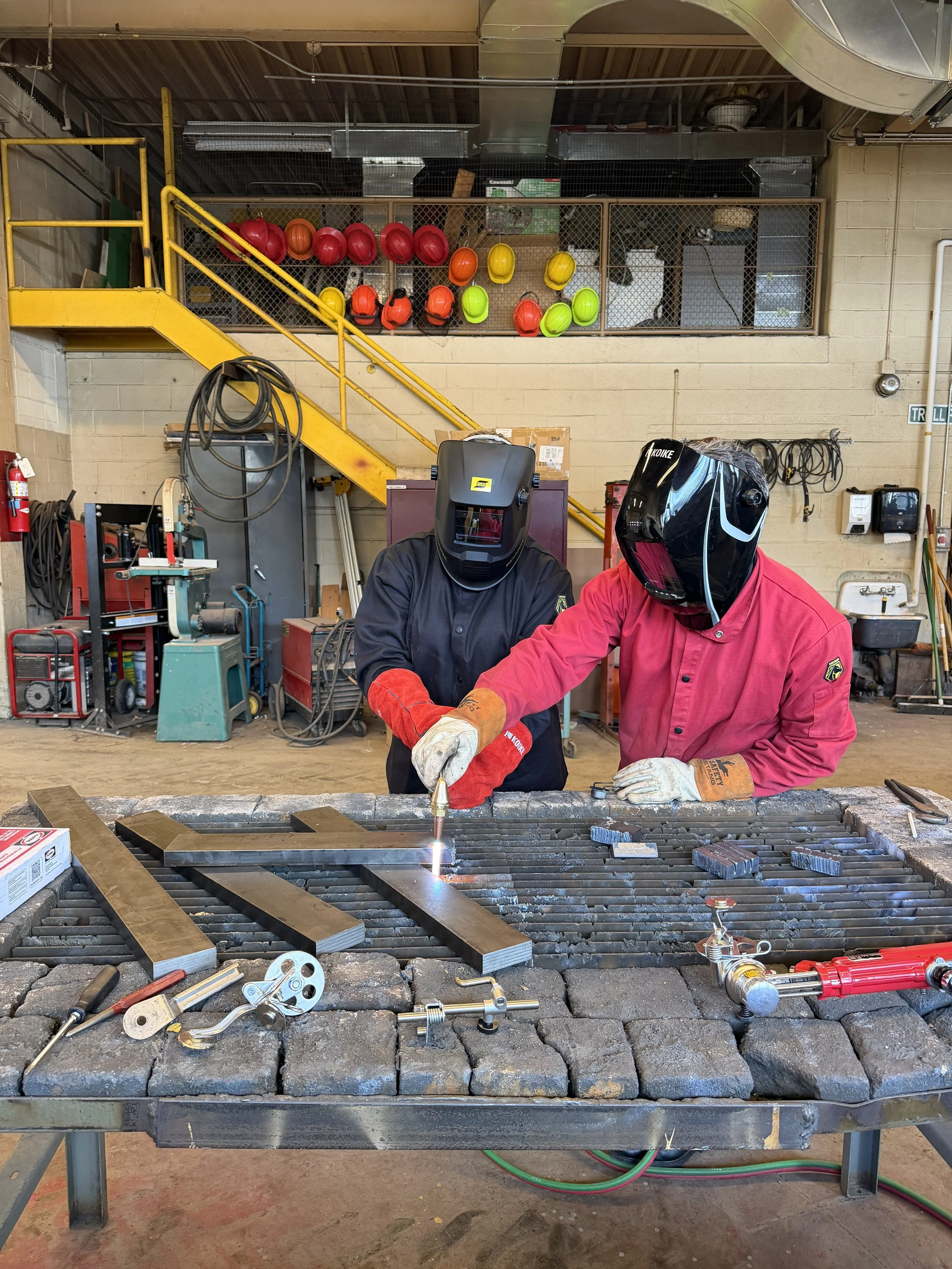
Agricultural Education programs in New York State are grounded in a comprehensive, three-component model that prepares students for success in the Agriculture, Food, and Natural Resources (AFNR) industry. These guiding principles are adapted from and informed by the National Council for Agricultural Education’s National Program Benchmarks (NPB) and the Framework for Excellence in Agricultural Education and are aligned with the priorities of the New York State Education Department (NYSED) and Cornell University.
The National Program Benchmarks (NPB) provide a comprehensive, user-friendly framework to support continuous improvement in secondary AFNR education programs. Designed for educators, administrators, and community partners, the NPB offers a structured approach for evaluating and enhancing all aspects of school-based agricultural education. These benchmarks enable programs to set meaningful goals, measure progress, and align with best practices at both the national level and within New York State.
This guidance document is intended to support both new and established programs in analyzing current practices and identifying clear goals and objectives for program growth. The guiding principles are designed to be used collaboratively by agricultural educators, school administrators, community partners, advisory committees, FFA support organizations, and/or external review teams.
These principles reflect all components of a high-quality agricultural education program,
including:
• Classroom and Laboratory Instruction
• Experiential, Project, and Work-Based Learning through Supervised Agricultural
Experience (SAE)
• Leadership and Personal Development through FFA
Together, these components create a cohesive and rigorous educational experience that prepares
students for college, careers, and lifelong leadership in the AFNR industry.